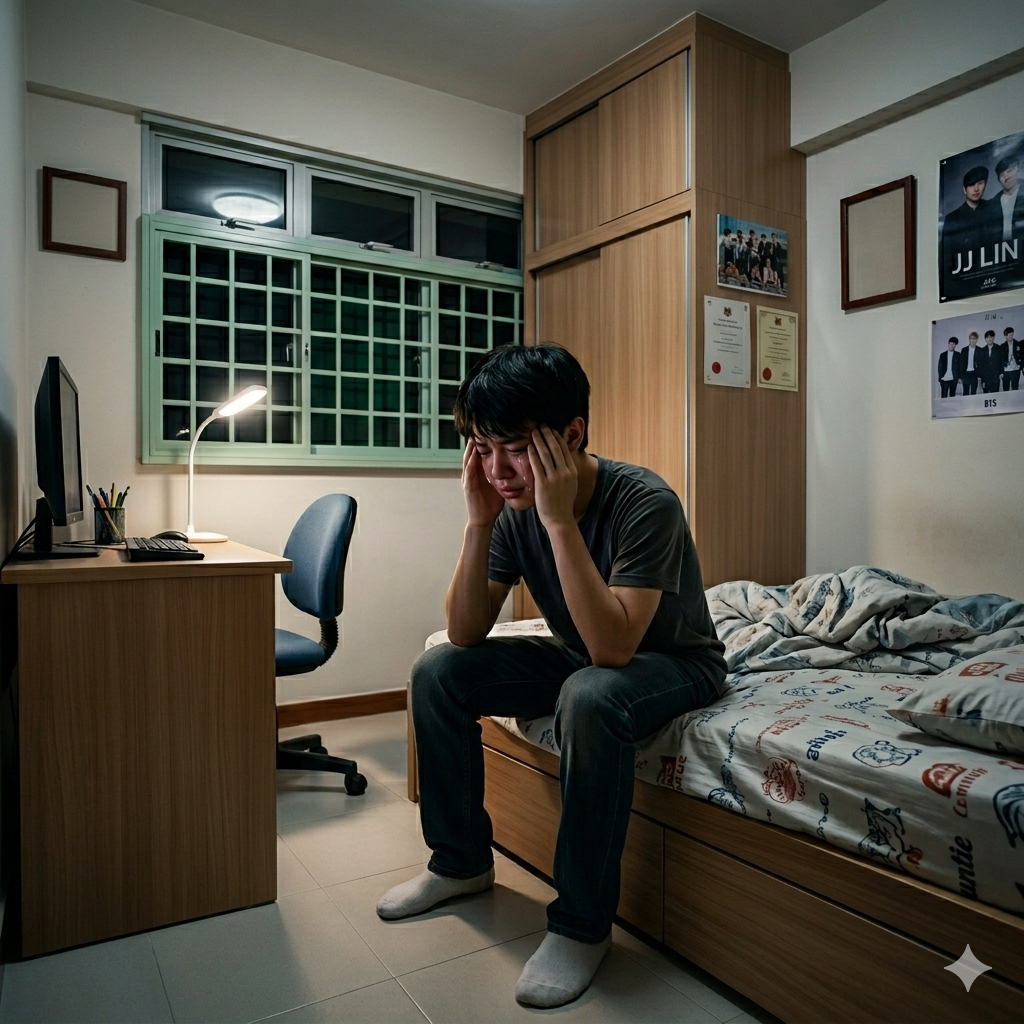
As parents, we are hardwired to look for the obvious signs of schoolyard bullying. We look for what we can physically see: a sudden loss of pocket money, ripped textbook pages, or an altercation in the canteen. It is a completely logical assumption to believe that if our child comes home physically unharmed, they are socially secure.
However, in the highly networked environment of a Singaporean schools, overt physical bullying is quickly caught and penalized. What thrives in its place is something far harder to detect. The most damaging aggression has evolved into a daily gauntlet of "soft bullying"—subtle, psychological maneuvers that leave no physical marks and occur entirely under the radar of parents and teachers.
This article breaks down the mechanics of these invisible social dynamics, explaining exactly what your child might be facing every day without you knowing.
The Mechanics of Exclusion
At an age where peer acceptance is paramount, being deliberately frozen out of a social circle is deeply traumatic. Exclusion operates on a devastating psychological reality: teenagers equate social isolation directly with their fundamental self-worth, making this form of silent bullying incredibly effective.
- Digital quarantining: This isn't always as obvious as being kicked out of a main class chat. It usually takes the form of a secondary, highly active WhatsApp or Telegram group where your child is the only one purposefully left out, rendering them invisible in the digital spaces where real socializing happens.
- The phantom boundary: In physical school spaces, this manifests as unspoken rules about who is allowed to join a group project or sit within a certain circle. The target is rarely overtly told to leave; they are simply made to feel that their presence is an awkward intrusion.
Because exclusion inflicts pain through what isn't being done, the psychological impact is profound. It forces the child to internalize the rejection as a personal flaw. Instead of viewing the exclusion as an external attack, the isolated student begins to genuinely believe that they are inherently unlikable, creating a deep sense of shame that makes them reluctant to talk about what is happening.
Toxic Banter and the "Just Joking" Defense
While exclusion hurts through silence, toxic banter inflicts pain through words disguised as humor. This places the targeted student in a psychological bind: they must either absorb the insult or speak up and risk being labeled "too sensitive" or "dramatic."
- Weaponized micro-aggressions: These often manifest as mock-pity for a test score, subtle digs at physical appearance, or backhanded compliments masked as genuine concern.
- The audience dynamic: The aggressor relies heavily on the laughter of bystanders. The "joke" is not actually meant to be funny; it is a calculated tool to validate the insult and further isolate the target in front of their peers.
The psychological toll here is a constant state of hyper-vigilance. The child never knows when the next verbal trap will be set, turning everyday classroom interactions into a minefield. Over time, absorbing these constant micro-aggressions erodes their self-esteem, conditioning them to accept poor treatment as a normal condition of friendship.
The Weaponization of Secrets and Gossip
In an environment where social currency is everything, personal details and private interactions are frequently weaponized to shift power dynamics and enforce hierarchies.
- Reputational sabotage: This involves the calculated spread of rumors or the strategic leaking of private conversations, often via forwarded messages or screenshots, to alter how the wider cohort views the targeted student.
- The permanence of digital gossip: Unlike a whispered rumor that might eventually fade, digital screenshots or anonymous confessions on school platforms create a permanent record of humiliation that the child feels they can never escape.
The psychological damage here stems from a complete loss of control over their own narrative. This leads to deep paranoia, a reluctance to trust anyone, and a persistent fear that their peers are constantly judging them based on a manufactured, digital caricature rather than who they actually are.
Looking Ahead: The Parent Trap
Recognizing these subtle forms of social warfare is critical, but knowing how to respond is where the real challenge lies. The instinctive parental reaction is to immediately step in, fix the problem, or advise the child to fight back. However, these well-meaning interventions often backfire, increasing the social cost for the victim. In part two of this series, we will explore the "Fix-It" parent trap and map out actionable strategies to support your child without inadvertently making them a bigger target.
This article was brought to you by MatchaTutor, Singapore's largest tuition directory featuring over 1,000 centres (and private tutors coming soon). We built our platform as a free and neutral tool for parents to compare options.
Frequently asked questions
Can bullying happen without physical violence?
Yes. Harmful behaviour can be social, verbal or online as well as physical. MOE's school guidance addresses bullying and hurtful behaviours. Do not wait for an injury before taking a child's distress seriously and asking the school to look into a concern.
Does being left out of one activity automatically mean bullying?
Not necessarily. Ask what happened, whether it is repeated, whether there is targeted humiliation or pressure, and how it affects your child. A single missed invitation and a deliberate pattern of exclusion need different responses. You can offer support while the school helps establish what has been happening.
What should I say when my child tells me they are being targeted?
Thank them for telling you and ask what would help them feel safer now. Listen before questioning every detail or contacting other families. Explain that you may need a trusted adult's help, and involve your child in the next step rather than promising to keep every concern secret.
What should happen after I contact the school?
Ask who will follow up, what support is available and how you will review whether the behaviour has stopped. MOE describes involving parents and updating them on cases. Keep a record of further incidents and raise new safety concerns promptly rather than waiting for the next routine meeting.