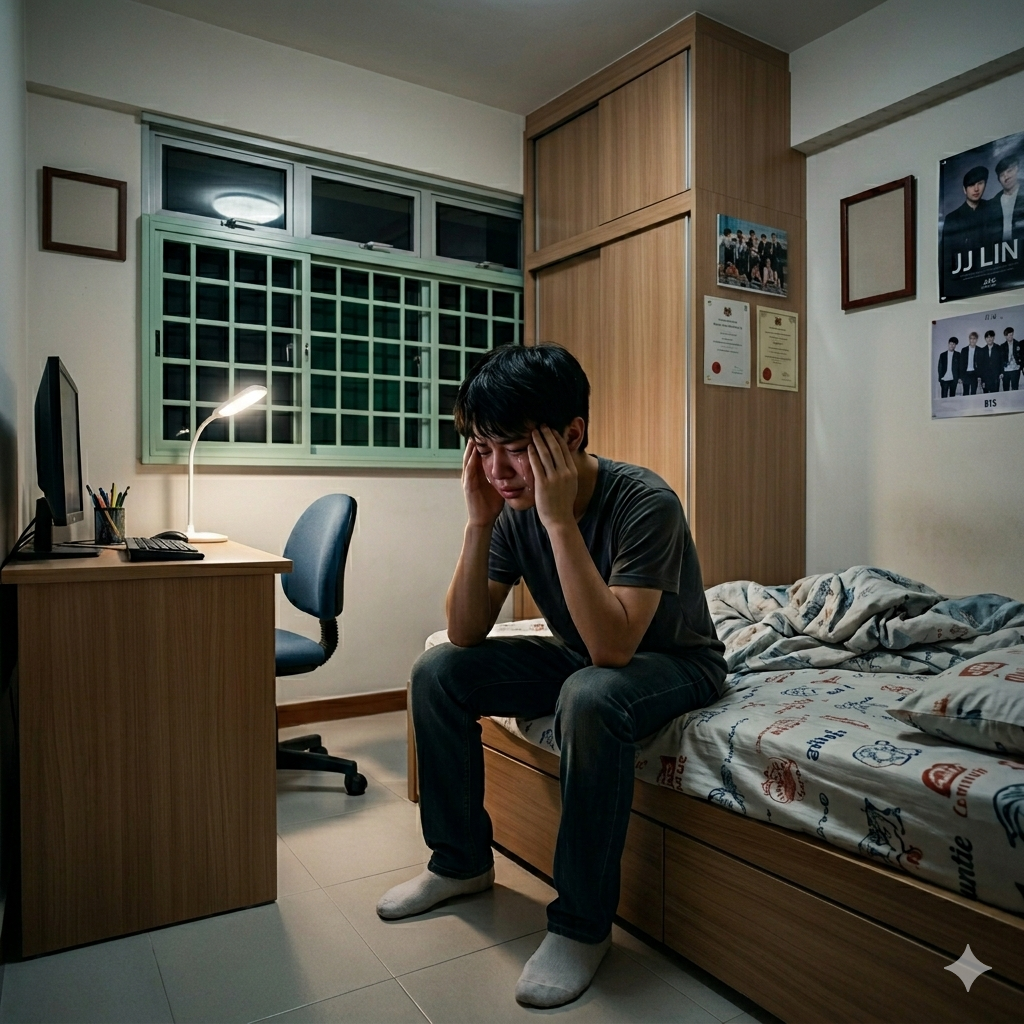
It is completely natural to want to fix your child's bullying problem immediately and efficiently. When you realize your child is facing the invisible mechanics of soft bullying, the subtle exclusion, toxic banter, and reputational sabotage we explored in our previous article, the instinct to protect them kicks into overdrive. As parents, our default response is to identify the threat, deploy logic, and demand a resolution, whether that means emailing the Form Teacher or telling our child to fight back.
However, in the complex social ecosystem of a Singaporean secondary school, treating social warfare like an administrative problem often inadvertently escalates the cost for your child. It fundamentally misinterprets the only currency that actually matters to a teenager: social standing. This article breaks down why these common interventions usually backfire, and maps out a more effective, long-term strategy to actually protect your child's emotional well-being.
Part 1: Why Standard Interventions Backfire
Approach 1: "Stand Up for Yourself" (The Combat Fallacy)
Telling a teenager to simply "stand up for themselves" against soft bullying feels empowering to say, but it ignores the dangerous reality of modern peer dynamics.
- The clique advantage: Aggressors rarely act in isolation. They typically operate with the silent or vocal backing of a wider group, meaning your child is never just fighting one person.
- The risk of rapid meme-ification: Fighting back individually against a group often leads to immediate retaliation in class WhatsApp chats. The narrative is quickly shifted to make your child look like the irrational or overly aggressive one.
Instead of pushing them to "fight back," the most helpful immediate response is simply validating that the group power dynamic is genuinely unfair, rather than making your child feel inadequate for not taking on a group alone.
Approach 2: Reporting to the School (The "Snitch Tax")
Because direct confrontation is often a losing battle, the next logical step for parents is usually to report the issue to the school. But escalating soft bullying without understanding the social fallout carries a severe "Snitch Tax."
- Compliance vs. Inclusion: Official intervention might successfully force an apology or stop an overt rumor, but authority can only mandate safety and compliance; it cannot mandate genuine friendship or warmth.
- The silent freeze-out: The most common outcome of a forced administrative intervention is that peers simply stop interacting with the targeted student altogether to avoid getting into trouble.
To be clear, concrete offenses like spreading malicious rumors or digital harassment must absolutely be reported to establish boundaries and protect your child. However, parents must recognize the limits of this intervention. Official action stops the overt bullying, but it will not solve the deeper psychological torment of isolation. You can force compliance, but you cannot force peers to accept your child.
Part 2: A Sustainable, Long-Term Strategy
Step 1: Building an Unshakeable External Tribe
Since you cannot force schoolmates to be kind and accepting, the most robust defense against soft bullying is cultivating an external environment where your child feels valued, bypassing the school's social hierarchy entirely.
- Moving the goalposts: Shift the focus from "making everyone in class like you" to finding genuine belonging outside the school gates.
- Leveraging external networks: Singapore offers vast out-of-school networks. Encourage them to find "their people" in enrichment classes, external CCAs, or community youth groups based on their genuine interests.
Helping your child build this external validation serves as a powerful emotional anchor, significantly reducing the psychological weight and daily sting of school-based exclusion.
Step 2: Providing Emotional First Aid
While they are building that external confidence, they still have to face the schoolyard daily. Your primary role at home is to provide critical emotional grounding.
- Validating the sting: Acknowledge that the pain of being excluded is real and terrifying, avoiding the temptation to dismiss the behavior as "just school drama."
- Being a Safe Harbor: When your child vents about their day, they aren't always asking for a solution. They often just need a space where they don't have to perform or prove themselves, without you immediately analyzing what they should have done differently.
Resist the urge to project-manage their social life. Pausing to actively listen and validate their feelings is often the most effective immediate support you can provide while they find their footing elsewhere.
Redefining Victory
Helping a child navigate soft bullying requires suppressing our protective rage to focus on their holistic social development. Success isn't always about defeating a bully or forcing a school culture to change. Often, victory is simply making the bully irrelevant to your child's overall happiness. By building their confidence in other arenas, the schoolyard loses its power.
This article was brought to you by MatchaTutor, Singapore's largest tuition directory featuring over 1,000 centres (and private tutors coming soon). If part of building an external tribe involves finding a supportive, small-group academic environment, we built our platform as a free and neutral tool for parents to compare options.
Frequently asked questions
Should I report bullying when my child fears retaliation?
Take that fear seriously and tell the school explicitly. Ask for a safety plan, a trusted contact and follow-up arrangements rather than promising that reporting carries no risk. MOE's guidance for parents supports raising bullying concerns with the school; outside friendships are not a substitute for that response.
What information should I keep when reporting a concern?
Write down what your child reports, when and where it happened, who may have witnessed it and what support they need now. Preserve relevant messages without circulating them in parent groups. Separate what you know directly from what still needs checking, and request a clear follow-up contact.
How can friendships outside school help without becoming another burden?
Offer a setting your child actually wants to try, with manageable travel and no pressure to become popular. A familiar relative, neighbour or shared-interest activity may be enough to start. Do not enrol them in an unwanted class just to manufacture a new friendship group.
Is it my child's responsibility to become resilient enough to stop the bullying?
No. Help your child feel supported, but keep responsibility for harmful behaviour with those carrying it out and the adults addressing it. Confidence-building and new friendships can sit alongside reporting and protection. They should not be presented as conditions your child must meet before adults will help.